
When Valve pushed the AnimGraph 2 update out of beta and into full release recently, the community immediately focused on the gameplay changes. The end of the silent ladder exploit and the new slope logic dominated the timeline. But beneath the surface, Valve quietly delivered one of the most significant performance optimization patches Counter-Strike 2 has seen to date.
If your game has felt noticeably smoother and your shots seem to be registering more reliably over the last week, it isn't just a placebo. The new animation system directly reduces both the CPU and networking costs associated with rendering player models.
Here is a deep dive into the hard data behind the AnimGraph 2 performance boost and why it changes the game.
The Shift to Token-Based Syncing
The root of the performance boost lies in how the game engine handles animations.
- Previously, Source 2 used a "scripted" method where the server and client had to constantly manually sync animation states using timers.
- AnimGraph 2 introduces a token-based syncing system.
- Now, the server reads a specific data "token" and instantly knows the exact frame of animation your character is in, removing the need for it to constantly guess or recalculate.
Because your CPU no longer has to work overtime calculating complex limb movements and syncing them across the server, the game's overall processing overhead drops significantly.
The Hard Numbers: 1% Lows and FPS Gains
In Counter-Strike 2, raw average FPS is nice, but your 1% lows dictate whether you win or lose a chaotic gunfight. Micro-stutters during heavy site executes with volumetric smokes are what get you killed.
Early community benchmarks from the full AnimGraph 2 release show fantastic gains:
- On extreme high-end enthusiast hardware (like a Ryzen 9800X3D paired with an RTX 5070), testers are logging roughly a 5% improvement in both average FPS and 1% lows.
- Squeezing a 5% gain out of a top-tier PC is incredibly difficult, indicating that the optimization ceiling is much higher for the average player.
- If you are running mid-range or budget hardware, this stabilization of 1% lows will be even more pronounced, directly reducing those frustrating micro-stutters.
Lighter Packets and Better Hit Registration
The CPU wasn't the only bottleneck; the new system is also a massive upgrade for CS2's networking
- Players are reporting that the average packet size in Premier matches has plummeted.
- Sender packet sizes have dropped by roughly 33.69% (from 741 bytes down to 491 bytes).
- Receiver packet sizes have dropped by approximately 9.25%.
Smaller packet sizes mean you are sending and receiving less data bloat, which directly correlates to a reduction in packet loss, especially when multiple players are visible on screen.
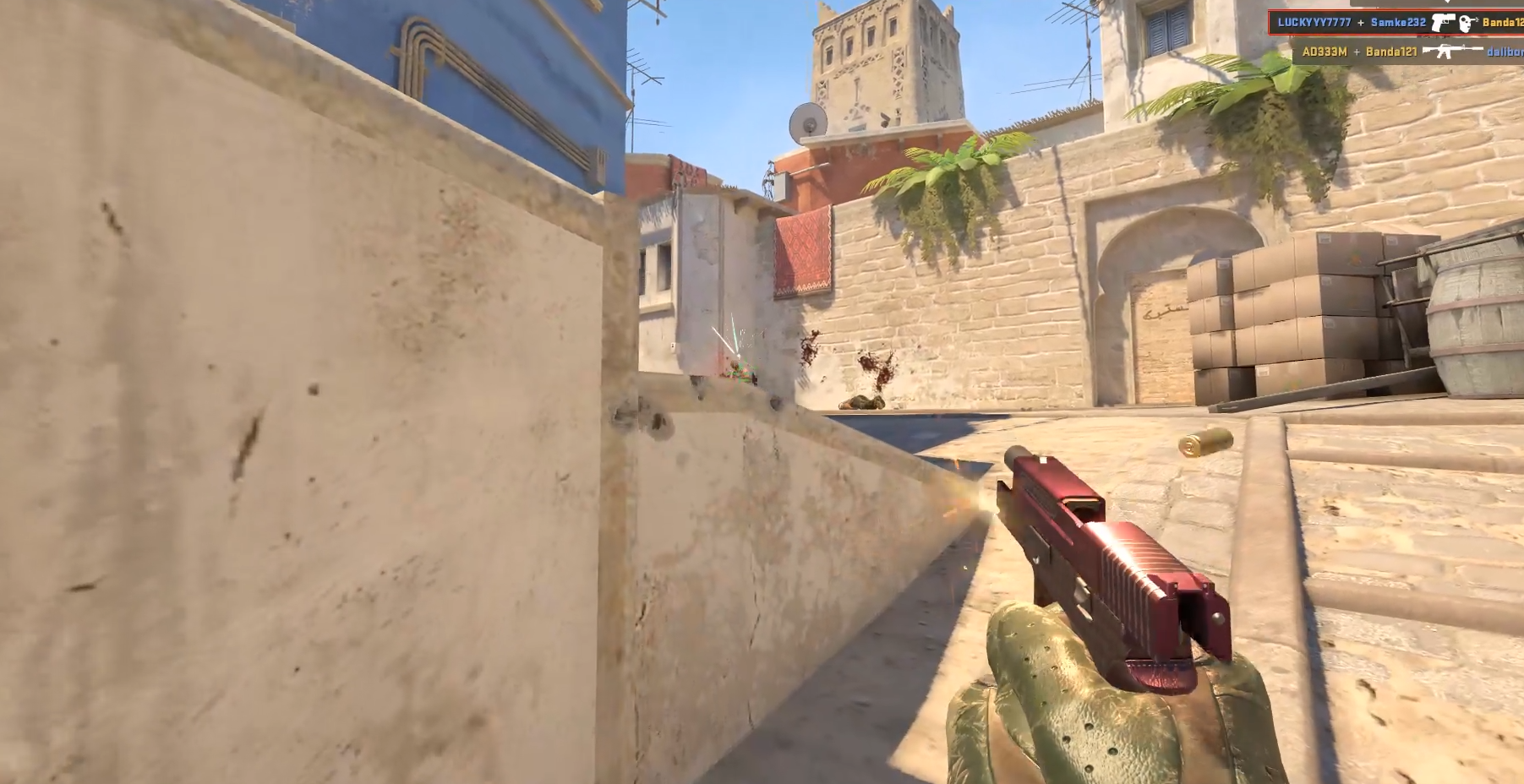
Furthermore, because the newly re-authored third-person animations are strictly bound to this new logic, the visual character models finally align perfectly with the actual server hitboxes. Valve even adjusted the first-person in-air crouch transition times so they accurately match what the enemy sees in third-person.
Stop Blaming the Game. Check the Tape.
With CPU overhead reduced, networking streamlined, and hitboxes accurately aligned with player models, the era of blaming "CS2 jank" for a missed shot is officially over. The game is giving you the frames and the registration you need to succeed.
Now, it is entirely on your mechanics and positioning.
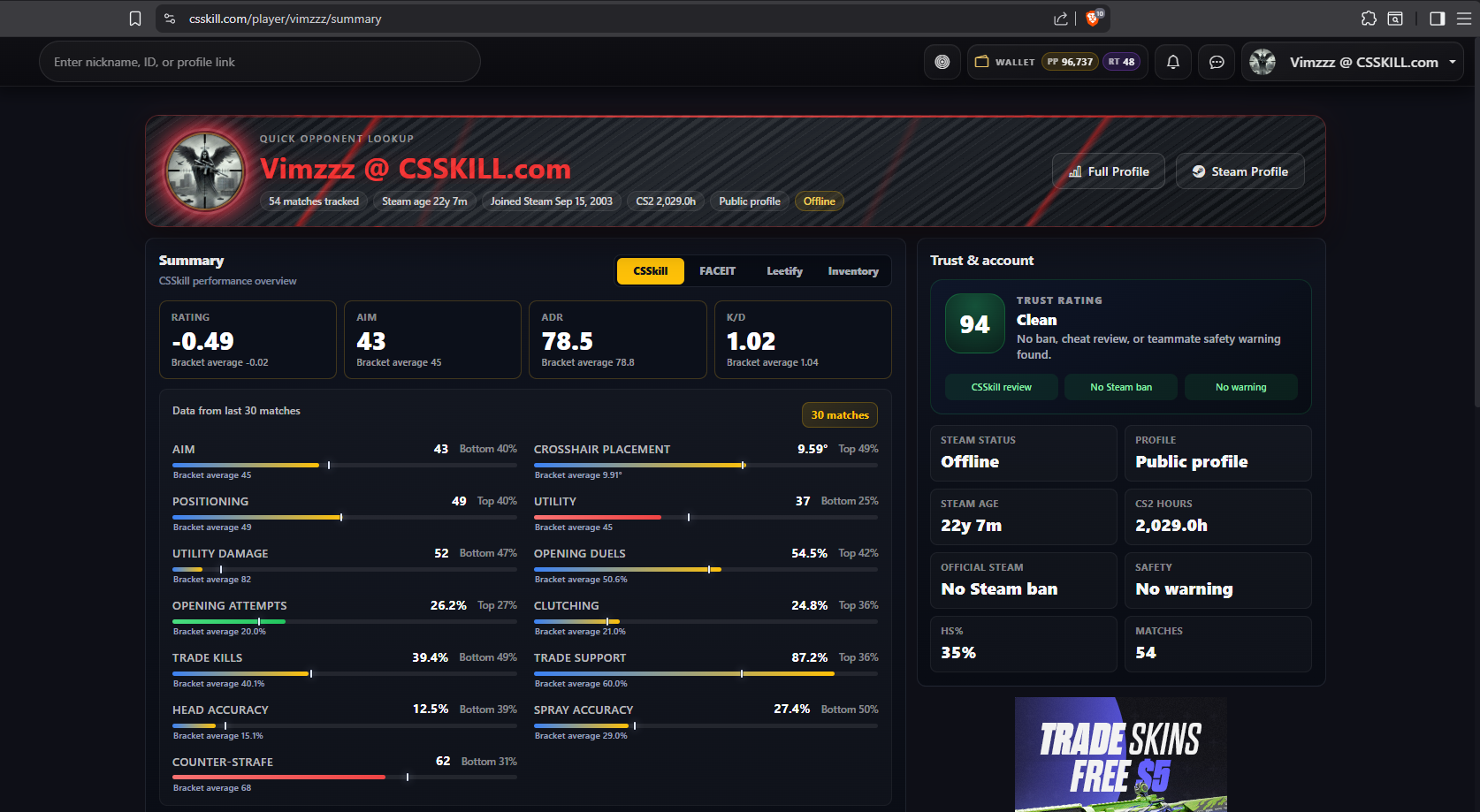
Log in to CSSkill today and parse your post-update Premier matches. Use our 2D Replay Engine to see if your spacing is actually as good as you think it is, and check your Suspicion Index to ensure the lobbies you are grinding in are clean. Turn those newly optimized frames into real progression—and real rewards.